
About Us

Welcome to getherapistathome, where we bring specialized care and education right to your doorstep. Our dedicated team has been working together for many years to provide comprehensive services for children with special needs. We offer a range of therapies and remedial classes, including:
Special Education: Tailored learning programs designed to meet the unique needs of each child.
Speech Therapy: Helping children overcome speech and language challenges to improve communication skills.
Occupational Therapy: Supporting children in developing essential motor skills and enhancing their ability to perform daily activities.
Remedial Classes: Customized lessons aimed at strengthening academic skills and building a strong educational foundation.
What Are Remedial Classes?
Remedial classes are specialized sessions aimed at helping students overcome difficulties in areas where they may be falling behind. Whether it’s reading, writing, mathematics, or any other subject, our remedial classes provide the extra attention and personalized instruction that your child needs to succeed.Our approach is holistic and thorough. We start by conducting a full assessment of each child to understand their specific needs. Based on this assessment, we create a personalized plan that focuses on their strengths and addresses their challenges. At Get Therapist at home, we understand that every child learns at their own pace. Our remedial classes are designed to provide targeted support for students who are struggling with specific subjects or skills. By focusing on their unique challenges, we help them build a strong foundation for future academic success.
Who Can Benefit from Remedial Classes?
Students with Learning Difficulties:
Children who have learning disabilities or face challenges in processing information may benefit from the structured support of remedial classes.
Children Who Need Extra Help:
Students who struggle with specific subjects or concepts, and who need more time or different approaches to understand the material, can gain confidence and skills through our tailored classes.
Students Returning from Extended Absences:
Children who have missed significant amounts of school due to illness, travel, or other reasons may require remedial classes to catch up with their peers.
Our Approach –
Individualized Learning Plans:
We assess each student’s needs and create a customized learning plan that targets their specific challenges. Our goal is to close learning gaps while reinforcing strengths.
Small Group & One-on-One Sessions:
Our remedial classes are offered in both small group settings and one-on-one sessions, ensuring that each child receives focused attention and personalized instruction.
Experienced Educators:
Our teachers are specialists in remedial education with a deep understanding of various learning difficulties and effective teaching strategies. They are committed to helping every student succeed.
Engaging & Interactive Methods:
We use a variety of teaching methods, including hands-on activities, interactive learning tools, and real-world applications, to make learning engaging and accessible.
We specialize in providing comprehensive support for individuals-
Autism
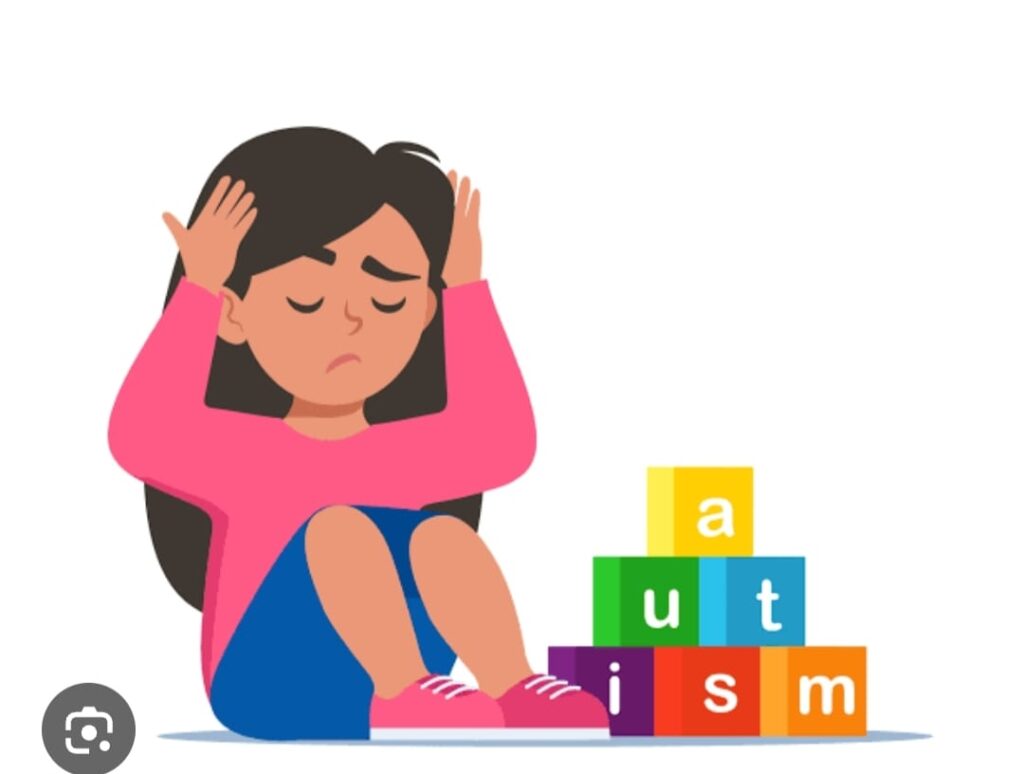
Autism spectrum disorder is a condition related to brain development that impacts how a person perceives and socializes with others, causing problems in social interaction and communication. The disorder also includes limited and repetitive patterns of behavior. The term “spectrum” in autism spectrum disorder refers to the wide range of symptoms and severity.
Autism spectrum disorder includes conditions that were previously considered separate — autism, Asperger’s syndrome, childhood disintegrative disorder and an unspecified form of pervasive developmental disorder. Some people still use the term “Asperger’s syndrome,” which is generally thought to be at the mild end of autism spectrum disorder.
Autism spectrum disorder begins in early childhood and eventually causes problems functioning in society — socially, in school and at work, for example. Often children show symptoms of autism within the first year. A small number of children appear to develop normally in the first year, and then go through a period of regression between 18 and 24 months of age when they develop autism symptoms.
While there is no cure for autism spectrum disorder, intensive, early treatment can make a big difference in the lives of many children.
Cerebral Palsy
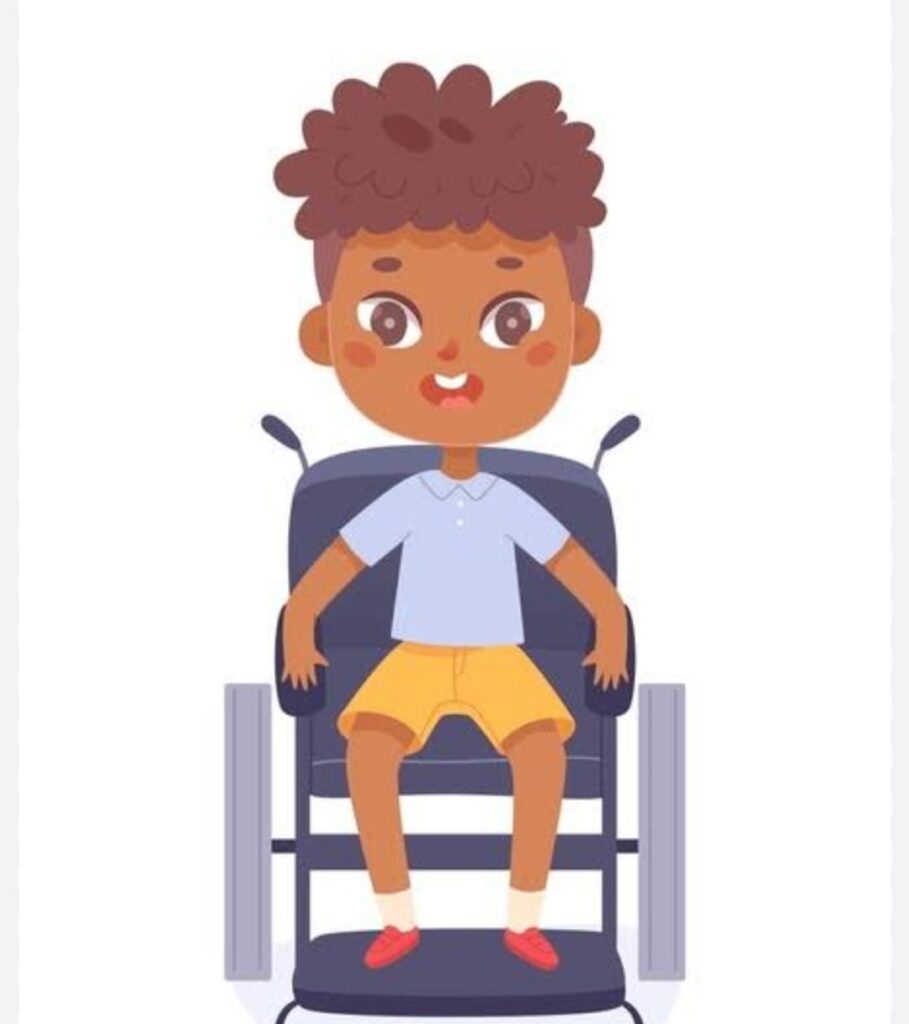
Cerebral palsy (CP) refers to a group of disorders that affect muscle movement and coordination. In many cases, cerebral palsy also affects vision, hearing, and sensation.
The word “cerebral” means having to do with the brain. The word “palsy” means weakness or problems with body movement.
Cerebral palsy is the most common cause of motor disabilities in childhood. According to the Centers for Disease Control and Prevention (CDC), it affects 1 to 4 out of every 1,000 children Trusted Source worldwide.
Cerebral palsy symptoms
The symptoms of cerebral palsy vary from person to person and range from mild to severe. Some people with cerebral palsy may have difficulty walking and sitting. Other people with cerebral palsy can have trouble grasping objects.
The effects of the condition can become more or less obvious or limiting as a child grows and develops motor skills. They also vary depending on the part of the brain that was affected.
Some of the more common symptoms include:
- Followings are:
- difficulty walking
- variations in muscle tone, such as being too floppy or too stiff
- spasticity, or stiff muscles and exaggerated reflexes
- ataxia, or a lack of muscle coordination
- tremors or involuntary movements
- delays in speech development and difficulty speaking
- excessive drooling and problems with swallowing
- favoring one side of the body, such as reaching with one hand
- neurological issues, such as seizures, intellectual disabilities, and blindness
Most children with cerebral palsy are born with it, but some may not show signs of it until months or years later. Symptoms usually appear within a few months of birth Trusted Source, according to the Eunice Kennedy Shriver National Institute of Child Health and Human Development.
ADHD
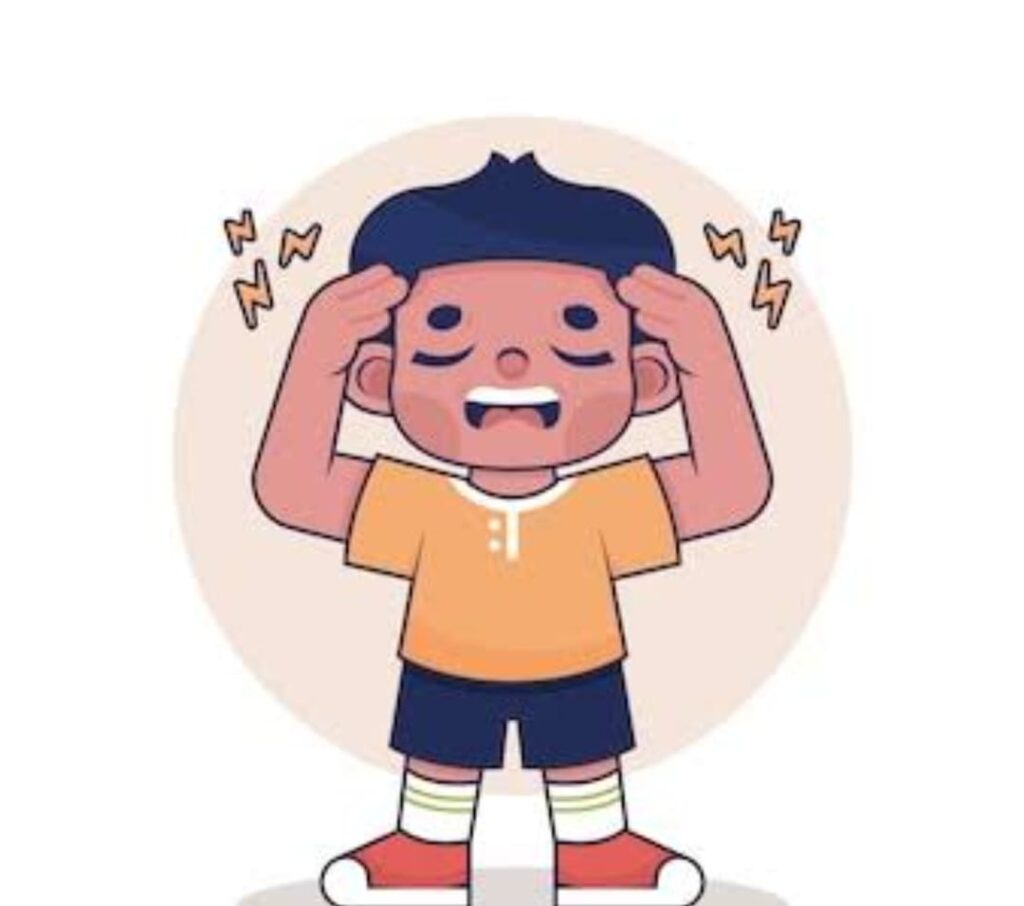
ADHD stands for attention deficit hyperactivity disorder. It’s a brain disorder that affects how you pay attention, sit still, and control your behavior. It happens in children and teens and can continue into adulthood. ADHD is one of the most commonly diagnosed mental disorders in children. It’s usually spotted during the early school years, when a child begins to have problems paying attention.
ADHD can’t be prevented or cured. But spotting it early, plus having a good treatment and education plan, can help you or your child with ADHD manage symptoms.
ADHD Types and Symptoms in Children
There are three types of ADHD diagnosed in children:
Inattentive
A child with inattentive ADHD may:
- Followings are:
- Have trouble following directions or finishing tasks
- Be easily distracted
- Have poor listening skills
- Have trouble paying attention
- Make careless mistakes
- Forget things easily
- Have problems organizing daily tasks
- Have trouble sitting still
- Often lose things
- Daydream a lot
Hyperactive-impulsive
A child with with this type of ADHD may:
- Followings are:
- Have trouble staying seated
- Not be able to play quietly by themselves
- Always be moving, such as running or climbing on things
- Talk excessively
- Have trouble waiting for their turn
- Blurt out answers
- Interrupt others
Combined
A child with combined ADHD has symptoms of both inattention and hyperactivity.
Combined is the most common type of ADHD, and hyperactive-impulsive is the least common type.
Slow Learner
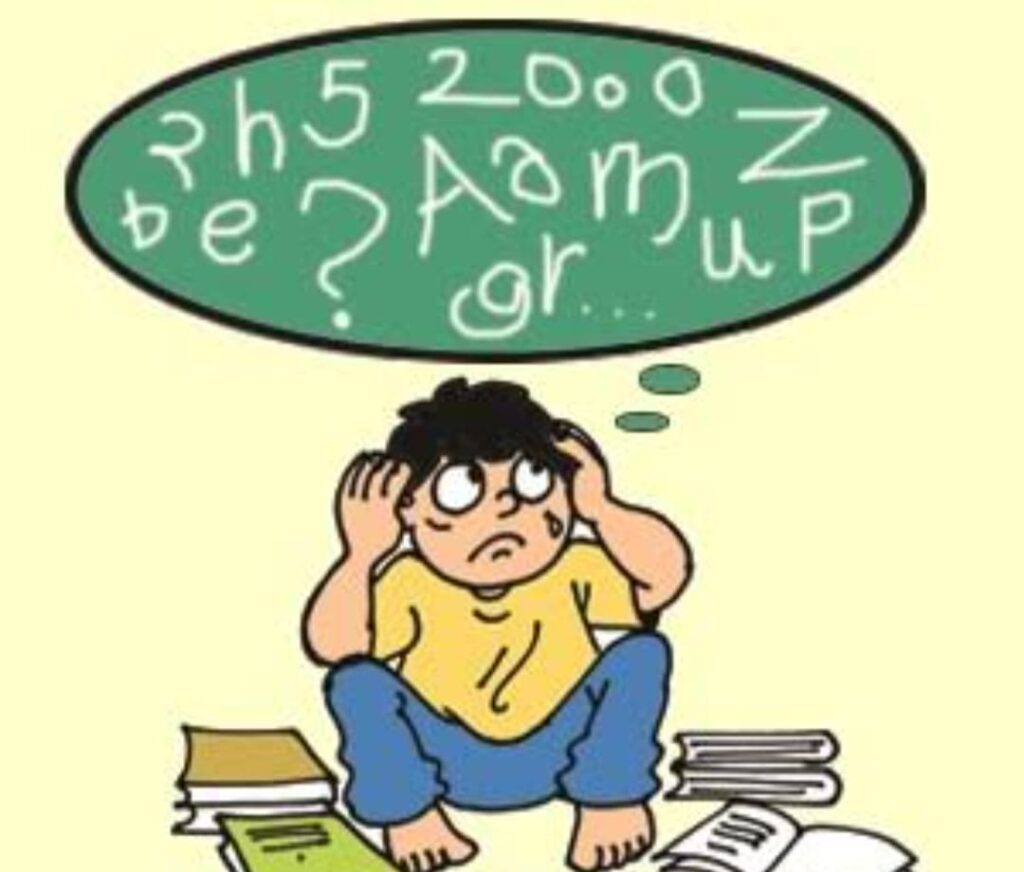
Many people hold the misconception that if their child is a slow learner, this automatically signifies incompetence or a lack of effort on the child’s part. However, neither assumption is accurate. One of the most challenging realities for parents to come to terms with is the recognition that their child is a slow learner. Acknowledging and understanding that your child is a slow learner doesn’t equate to accepting defeat but rather opens a pathway to tailored support and guidance. When it comes to assisting a slow learning child who finds learning more challenging than his or her peers, there are numerous proactive steps parents can take to significantly ease the child’s educational journey.
Who Is a Slow Learning Child?
When it comes to slow learner meaning, a slow learning child is a child that hits his developmental markers at a much slower rate than compared to his peers. It is commonly misunderstood that these children fail at learning or are merely ‘dumb’. The truth is that every child has his own pace to learn and develop. Some children naturally learn much faster, and others are known to take their time to learn the same concepts and lessons.
What Are the Different Types of Slow Learners?
Slow learners can present a range of challenges in their learning journey, often requiring specific strategies and supports tailored to their unique needs. Here are some common types of learning challenges slow learners may face:
-
- Challenges with Math (Dyscalculia)
- Difficulty with Reading (Dyslexia)
- Writing Difficulties (Dysgraphia)
- Problems with Attention and Concentration (Attention Deficit Hyperactivity Disorder – ADHD)
- Auditory and Visual Processing Disorders
- Language Disorders (Including Dysphasia/Aphasia)
- Memory Disorders
- Executive Functioning Issues
- Non-Verbal Learning Disabilities
Down Syndrome

Down syndrome is a genetic disorder caused when abnormal cell division results in an extra full or partial copy of chromosome 21. This extra genetic material causes the developmental changes and physical features of Down syndrome.
Down syndrome varies in severity among individuals, causing lifelong intellectual disability and developmental delays. It’s the most common genetic chromosomal disorder and cause of learning disabilities in children. It also commonly causes other medical abnormalities, including heart and gastrointestinal disorders.
Better understanding of Down syndrome and early interventions can greatly increase the quality of life for children and adults with this disorder and help them live fulfilling lives.
Learning Disorder
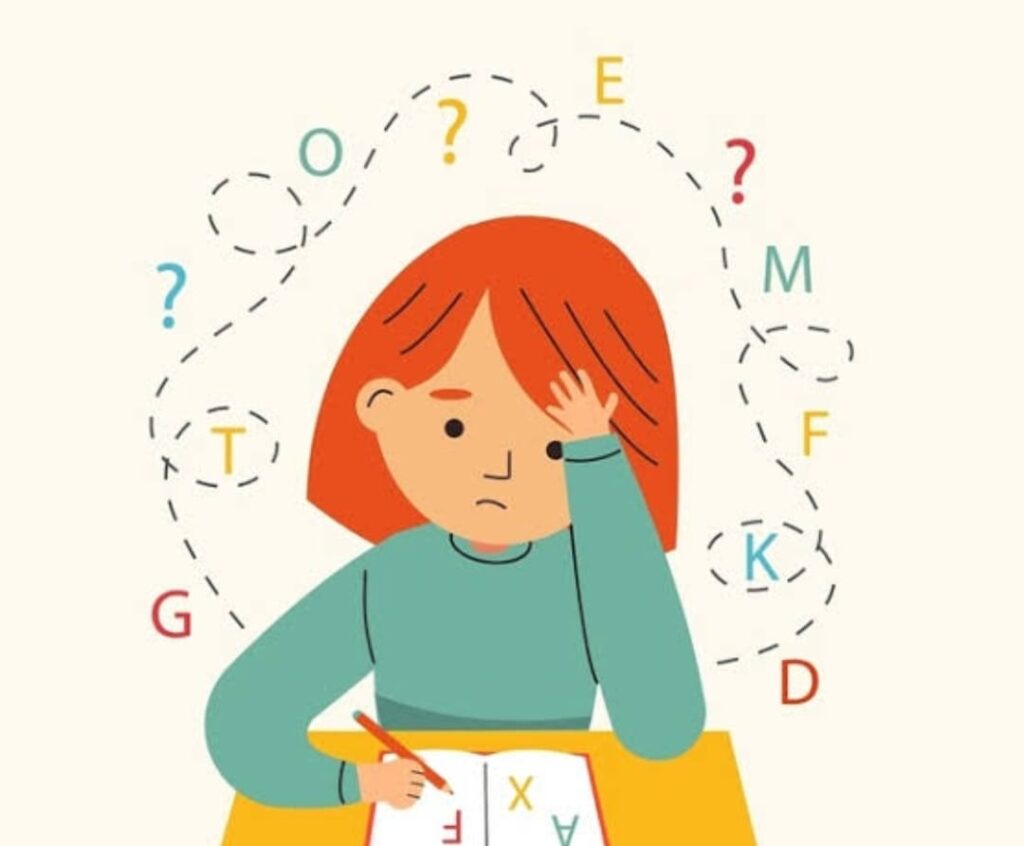
Types of Learning Disabilities
“Learning disability” is an umbrella term that encompasses many types of specific learning disorders, including:5
- Dyslexia: Dyslexia is the most common learning disability, accounting for 80% of all learning disability cases.6 It is a language processing disorder characterized by difficulty with speaking, reading, writing, or understanding words. This can cause the person’s vocabulary to develop at a slower pace and lead to issues with grammar, reading comprehension, and other language skills.
- Dysgraphia: People with dysgraphia may have difficulty putting their thoughts into writing due to issues with vocabulary, spelling, grammar, memory, and critical thinking. This condition is characterized by poor handwriting, as the person may struggle with letter spacing, spatial awareness, and motor planning. Dysgraphia can make it hard for the person to think and write simultaneously.
- Dyscalculia: Sometimes known as “math dyslexia,” this condition includes learning disorders related to mathematics, such as difficulty with numbers, concepts, and reasoning. People with dyscalculia may struggle to count money, read clocks and tell time, perform mental math calculations, identify number patterns, and apply mathematical formulae.
- Auditory processing disorder (APD): People with APD may have difficulty processing sounds because their brain misinterprets auditory information received by the ear. As a result, they may confuse the order of sounds in certain words, or they may not be able to distinguish between sounds such as the teacher’s voice and the background noise in the classroom.
- Language processing disorder (LPD): This is a subset of APD, characterized by difficulties with processing spoken language. The person may have difficulty attaching meaning to sound groups representing words, sentences, and stories.
- Nonverbal learning disabilities (NVLD): NVLD is characterized by difficulty interpreting nonverbal cues such as facial expressions, body language, tone of voice, and other nonverbal signals.
- Visual perceptual/visual motor deficit: People with this condition may have difficulty with hand-eye coordination and motor activities. They may frequently lose their spot while reading, demonstrate unusual eye movements while reading or writing, confuse similar-looking letters, have difficulty navigating their environment, and struggle to manage items like pens, pencils, crayons, glue, and scissors.
Intellectual Disability
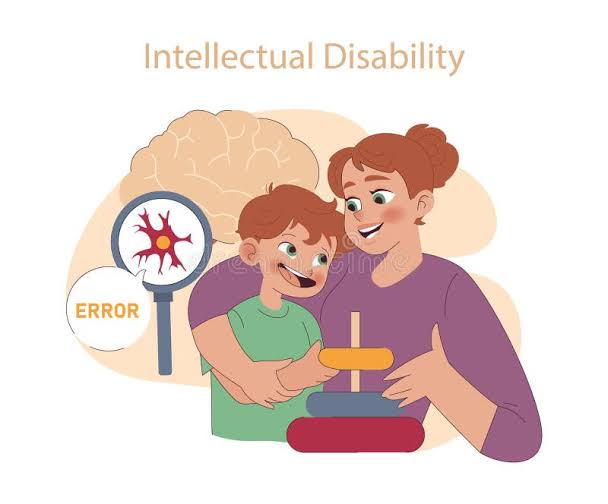
Intellectual disability is a condition that limits intelligence and disrupts abilities necessary for living independently. Signs of this lifelong condition appear during childhood. Most people with this will need some degree of assistance throughout their lives. Support programs and educational offerings can help with managing symptoms and effects.
What is intellectual disability?
An intellectual disability is when limitations in your mental abilities affect intelligence, learning and everyday life skills. The effects of this can vary widely. Some people may experience minor effects but still live independent lives. Others may have severe effects and need lifelong assistance and support.
A common misconception is that intellectual disability is just a limitation on intelligence as assessed by a simple IQ test. An IQ test is only one piece of information. Some people have an average or above-average IQ but have trouble with other abilities necessary for everyday life. Other people have lower-than-average IQs but also have skills and abilities that are strong enough that they don’t meet the criteria for intellectual disability, or they meet criteria for a milder form of intellectual disability than an IQ test indicates.
In the American Psychiatric Association’s Diagnostic and Statistical Manual of Mental Disorders, fifth edition text revision (DSM-5-TR), the formal name for this condition is “intellectual developmental disorder.” Although for many individuals, the exact cause of their intellectual disability is unknown, many cases of intellectual disability happen because of differences in brain development. Less commonly, they can develop because of brain damage from an illness, injury or other events when a person is younger than 18 years old.
How common is intellectual disability?
Intellectual disability is uncommon but widespread. Worldwide, it affects 1% to 3% of children. It’s slightly more common in men and people assigned male at birth (AMAB) than in women and people assigned female at birth (AFAB).
Symptoms and Causes
What are the symptoms of intellectual disability?
The symptoms of intellectual disability revolve around difficulties in different skill sets, including academic skills, social skills and domestic skills. Intellectual disability affects:
Intelligence-related symptoms
“Intelligence” is the umbrella term for your ability to understand and interact with the world around you. It goes beyond the traditional language and math skills an IQ test measures. Intelligence-related symptoms of intellectual disability can mean you have any of the following:
- Following are:
- Slowed reading speed.
- Delayed or slowed learning of any kind (such as in school or from real-life experiences).
- Difficulties with reasoning and logic.
- Problems with judgment and critical thinking.
- Trouble using problem-solving and planning abilities.
- Distractibility and difficulty focusing.